

Damp Proofing for Rising Damp London
- Expert Damp-Proofing Solutions for Homes & Businesses
- Protect Your Property from Rising Damp, Condensation, Penetrating Damp & Mould
- Certified Technicians – Fast, Professional & Reliable Service
- Long-Lasting Treatments with Guaranteed Results
- Serving London with Decades of Experience
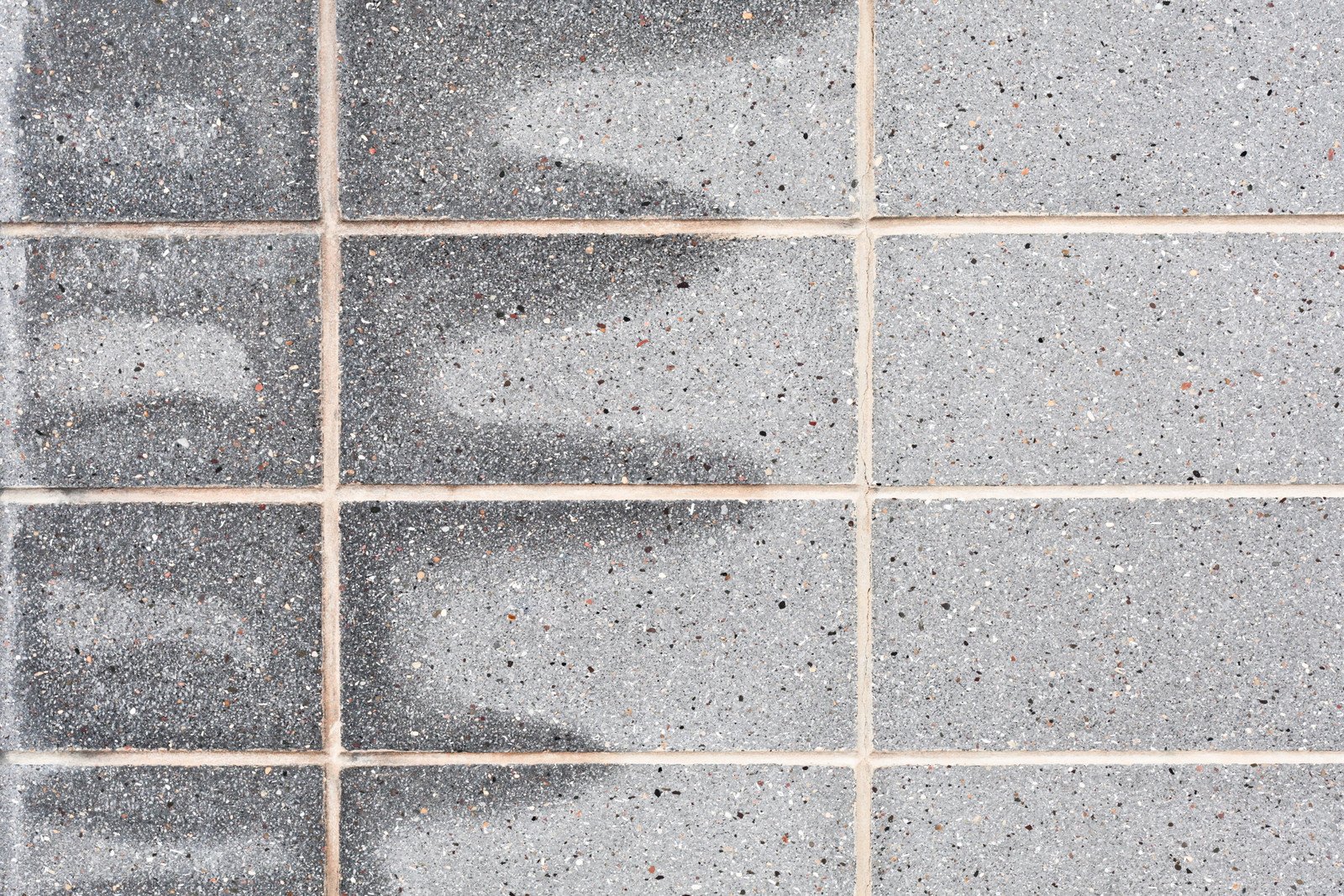
Effective Solutions for Rising Damp
Rising damp is a common problem in many London properties, caused by moisture from the ground seeping up through walls. It can lead to damaged plaster, mould growth, and structural issues if left untreated. Effective damp proofing is essential to stop this moisture and protect the integrity of the building.
Professional damp proofing companies in London use specialist treatments to identify the source of rising damp and apply waterproof barriers. These solutions not only halt further damage but also improve the internal environment of homes and businesses. Many firms offer comprehensive surveys and guarantees to ensure lasting results.
Understanding the signs of rising damp and recognising the importance of early intervention can save property owners time and money. With London’s older housing stock, addressing damp problems promptly is a key step in maintaining a safe and healthy living or working space.
Understanding Rising Damp in London
Rising damp occurs when moisture from the ground travels upwards through porous materials like brick and stone by capillary action. It often affects older buildings and those with inadequate damp-proof courses or damaged barriers.
This problem results in visible damage and impacts the structure if untreated. Recognising its causes, symptoms, and risks is essential for timely intervention.
Causes of Rising Damp
Rising damp is primarily caused by the absence or failure of a damp-proof course (DPC) in the building’s walls. A DPC is a horizontal barrier designed to halt moisture from rising.
Additional factors include faulty plumbing, blocked or broken gutters, and poor drainage around foundations. These issues increase ground moisture levels, exacerbating dampness.
London’s climate—with high rainfall and generally wet conditions—adds pressure on buildings. Older properties, especially those constructed before damp-proofing became common, are at higher risk.
Common Signs and Symptoms
Key signs of rising damp include tide marks on walls, often up to a metre high, where moisture lingers. Walls might feel damp to the touch and produce a musty smell.
Other symptoms include peeling paint, flaking plaster, and discoloured or crumbling mortar. Mould growth may also appear on affected surfaces.
Internally, occupants might experience increased humidity, which impacts air quality and comfort. These visible and physical indicators help diagnose rising damp accurately.
Risks Posed to Properties
Rising damp threatens a building’s structural integrity. Constant moisture weakens brickwork and mortar, leading to decay and potential collapse over time.
It encourages timber rot and can damage floorboards and skirting, increasing repair costs. Moisture also contributes to mould growth, which affects indoor air quality and occupant health.
If left unaddressed, rising damp can reduce property value and complicate future maintenance. Early identification and treatment are key to protecting London homes from lasting damage.
Damp Proofing Methods for Rising Damp
Effective treatment of rising damp requires creating a barrier that stops moisture from travelling up through walls. This can be achieved either by chemical injection to form an internal barrier or by installing physical obstacles to block moisture paths. Both approaches are widely used in London properties, particularly older buildings.
Chemical Damp Proof Courses
Chemical damp proof courses involve injecting water-repellent substances into the lower part of walls. These chemicals create a barrier that prevents moisture from rising through the masonry. The substances commonly used include silane or siloxane-based solutions, which penetrate the wall and repel water.
The injection process is typically done in a series of holes drilled horizontally into the wall at or just above ground level. The chemical dries inside the wall, sealing pores to block moisture migration. This method is suitable for buildings without an existing physical damp proof course or where the original has failed.
Chemical DPC is less disruptive than full structural repairs, making it a popular choice for heritage or listed buildings where preserving original materials is important. It requires professional assessment and application for effectiveness.
Physical Damp Proof Barriers
Physical damp proof barriers are solid materials installed within the structure of a wall to block moisture from rising. These include rigid damp proof courses made from materials like bitumen, plastic, or slate.
In older buildings, physical DPCs can be installed during renovation or retrofit work by inserting a horizontal layer within the wall. Tanking, which involves applying a waterproof membrane to internal walls or floors, can also act as a physical barrier against rising damp.
Physical barriers are robust, durable, and provide immediate protection. However, installation may be more invasive and costly due to the need to remove parts of walls or floors. They are often combined with other damp proofing techniques for comprehensive treatment.
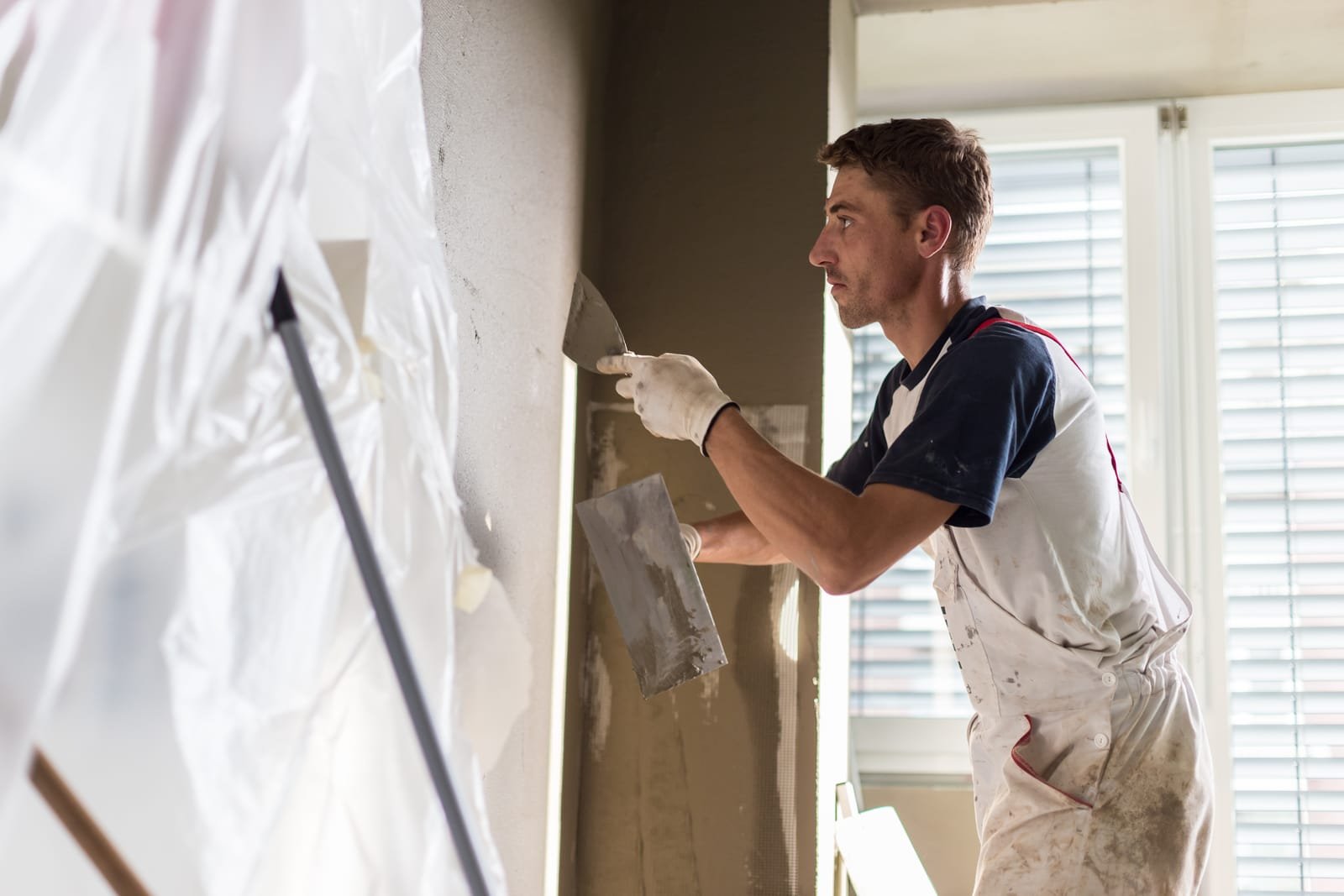

Professional Damp Proofing Services in London
London homes affected by rising damp require thorough assessment and carefully executed treatment to ensure long-lasting results. The process involves detailed surveys, appropriate installation methods, and ongoing maintenance to protect the property.
Assessment and Diagnosis
A detailed survey is the first step in tackling rising damp. Specialists use moisture meters and, often, thermal imaging to identify the extent of damp penetration and detect any related issues such as salt deposits or damage to plaster and timber.
The survey will assess the building’s construction, ventilation, and external drainage. This diagnostic process determines if rising damp is present and distinguishes it from other types of damp, such as penetrative or condensation issues. Accurate diagnosis is essential for selecting the correct treatment method.
Installation Process
Once diagnosed, the installation process typically involves the insertion of a damp proof course (DPC) or damp proof membrane. This is usually achieved through chemical injection into the affected walls to create a barrier against moisture rising from the ground.
Engineers may also remove and replace damaged plaster and treat timber affected by damp. The timeframe for installation depends on the property’s condition but is generally completed efficiently to minimise disruption. Proper sealing around floors and walls is critical to prevent moisture ingress.
Aftercare and Maintenance
After treatment, regular inspection is needed to ensure the damp proofing remains effective. Properties should be well ventilated and any external issues, such as blocked gutters or poor drainage, addressed promptly to avoid recurrence.
Maintenance may include replastering with breathable materials and monitoring timber conditions. Annual or biannual surveys by professionals help catch any early signs of damp returning, allowing for timely intervention.
Penetrating damp is usually caused by external structural issues such as:
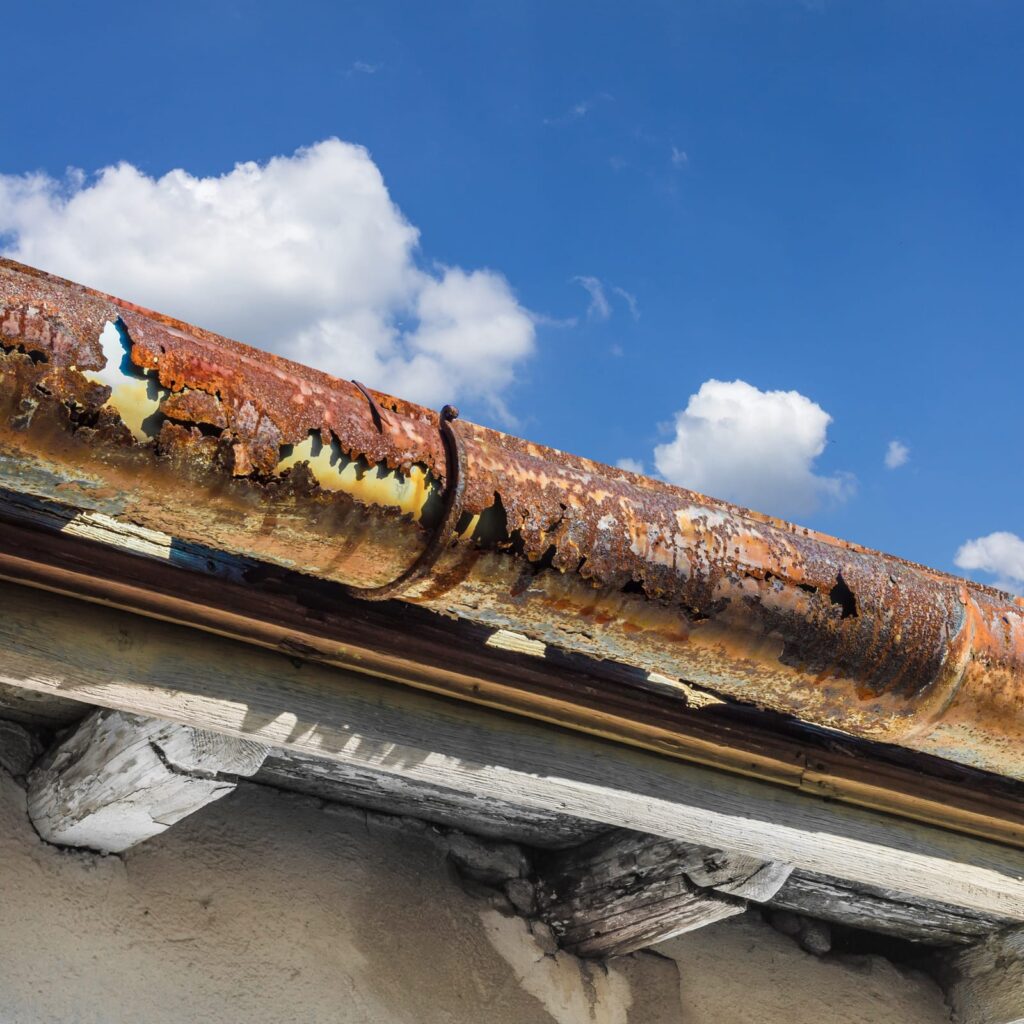
Broken or overflowing gutters
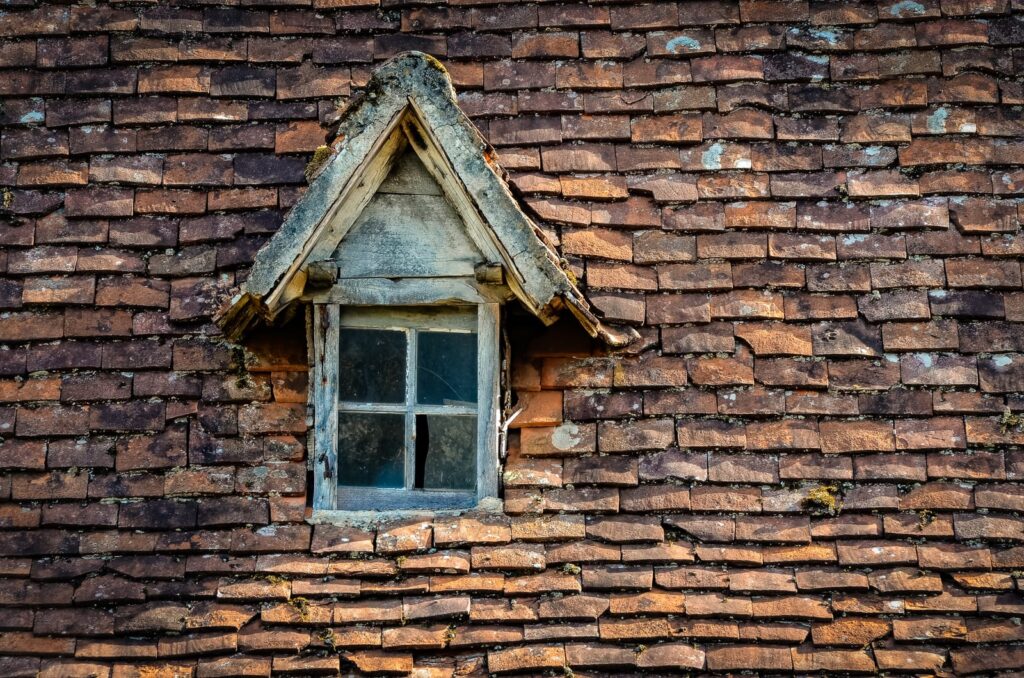
Roofing defects
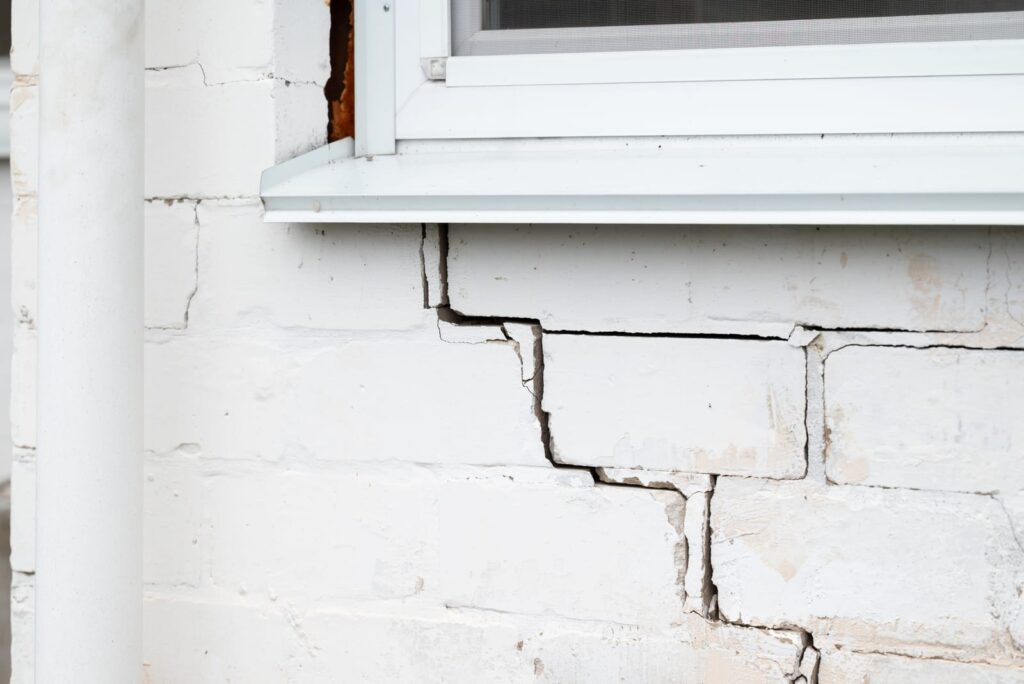
Cracked external walls or render
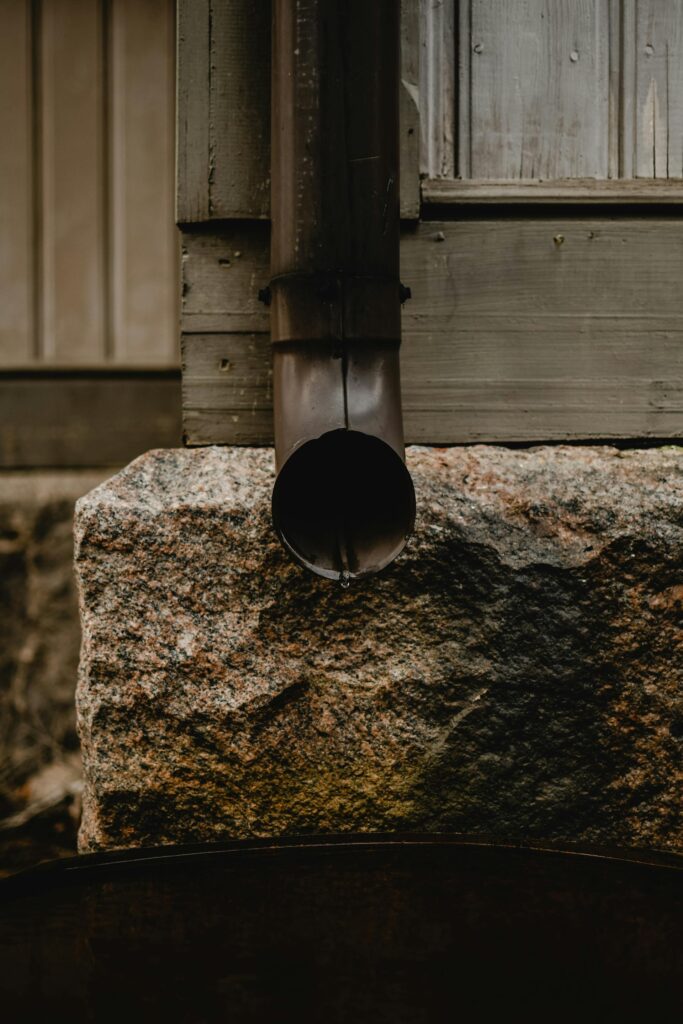
Defective or blocked drainage systems
Bridges over the Damp Proof Course
Why Choose DampStar?
Expertise
Our team has many years of hands-on experience dealing with all types of damp in London’s unique building landscape.
Honest assessments
We provide clear, transparent reports and never recommend work you don’t need.
Guaranteed work
Many of our services come with long-term guarantees for your peace of mind.
Minimal disruption
We work efficiently and cleanly, always respecting your time and space.
Full compliance
All our damp-proofing treatments are fully compliant with UK building regulations and industry standards.
Our excellent reputation
Our many 5 star Google reviews speak for themselves.

Verifying Accreditation and Experience
Accreditation by the Property Care Association (PCA) ensures the surveyor meets high professional standards. PCA certification confirms the surveyor has undergone specific training and adheres to ongoing education requirements.
Experience matters:
- Several years in damp surveying or specialist damp/timber roles
- Proven track record with similar London properties
- Membership in professional bodies or holding additional certifications
Clients should verify credentials and request references or case studies before commissioning a survey. Using a PCA-accredited expert offers assurance of competence and reliability.
Contact DampStar Today
Don’t wait until a small patch of damp becomes a major problem. At DampStar, we’re committed to delivering quality, reliability, and results. Our team is fully qualified, insured, and ready to tackle any damp issue with professionalism and care.
Get in touch with us today and let DampStar help you protect your Hertfordshire home from the inside out – because when it comes to damp, prevention is always better than cure.
Your property is one of your most valuable assets. Let us help you protect, preserve, and enhance it.
Ready to talk about your next project?
Get in touch with us today – we’re here to help.
📍 Serving: London & Hertfordshire
📞 Call Us: 07376 700073
📧 Email us: admin@dampstar.co.uk
INSPECTION & QUOTATION
Contact us for a Report and Quote
DAMPSTAR
Chiswick High Road, London, W4 4HH
Hours
- Mon 08:00 – 17:00
- Tue 08:00 – 17:00
- Wed 08:00 – 17:00
- Thu 08:00 – 17:00
- Fri 08:00 – 17:00
- Sat 09:00 – 17:00
- Sun Closed
