PCA CERTIFIED
Structural Waterproofing Services in London
At Dampstar, we provide professional waterproofing solutions across London for homeowners, developers and property professionals undertaking renovations, basement conversions and remedial works. If you are experiencing structural water damage and require waterproofing services, please get in touch with us.
Our Services
Roof Waterproofing
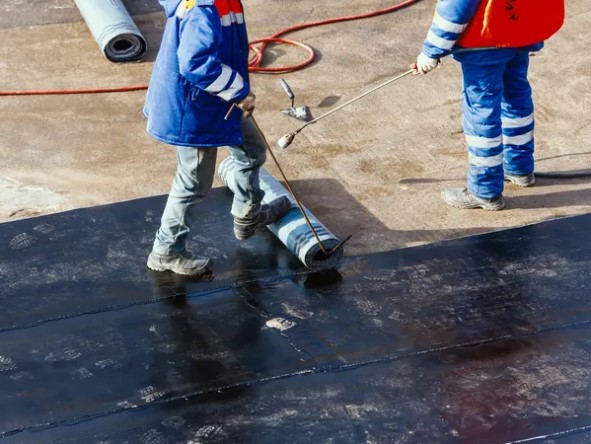
Protects your home’s first line of defence, treating pitched, tiled, and flat roofs against leaks and water damage.
Basement & Cellar Tanking
Leak Repairs
Quick assessment and effective repairs for roof leaks, rising damp, or other water ingress issues.
What is Structural Waterproofing?
Structural waterproofing is the process of protecting a building’s walls, floors, and foundations from water damage. It stops moisture from penetrating brickwork, concrete, or masonry, which can otherwise cause damp, mould, and long-term structural weakening. This typically involves treatments such as damp-proof membranes, cavity drainage systems, or specialist coatings, applied by our trained professionals after a full property survey. For homeowners, it’s an essential step in preserving a property’s condition, health, and value, especially in older or below-ground spaces like basements and cellars.
Signs Of Structural Water Damage
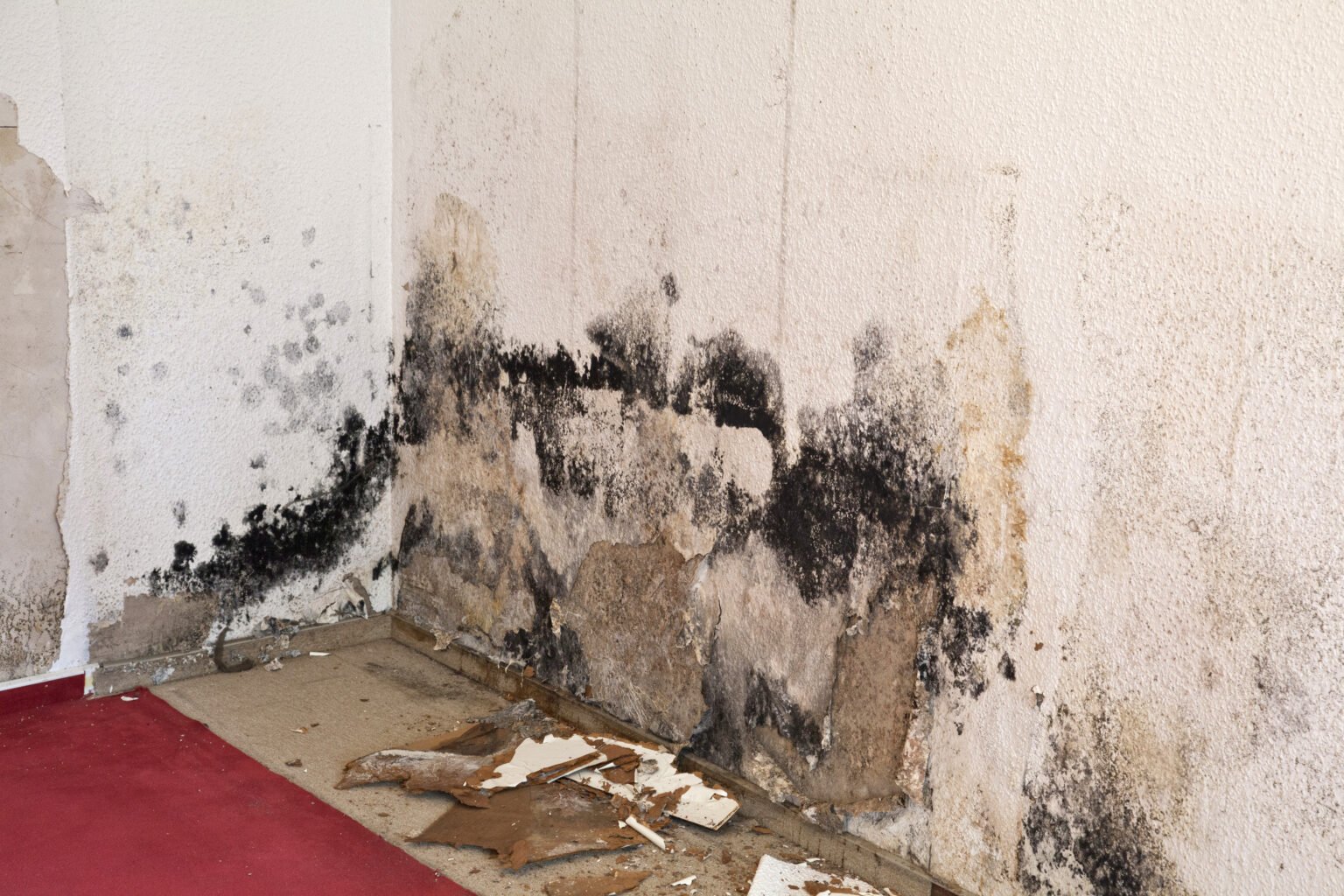
Water damage doesn’t always appear straight away. It often starts small, such as a faint stain or a slightly musty smell, then builds quietly until the structure itself is affected. Left unchecked, this can weaken walls, floors and foundations, leading to costly repairs and health risks from mould and rot. Knowing what to look out for helps you catch problems early, before they become serious. Here are the key warning signs to watch for in your home:
- Damp or musty odours: A persistent smell often means moisture is trapped within walls, floors, or insulation.
- Stains and discolouration: Brown, yellow, or dark patches on walls and ceilings usually point to ongoing water intrusion.
- Peeling or bubbling paint and wallpaper: A sign that moisture is trapped beneath the surface and needs investigating.
- Cracks in walls or foundations: Water can weaken materials, causing them to shift, swell, or crack over time.
- Black mould growth: Especially in corners, behind furniture, or in poorly ventilated rooms.
- Warped or buckling floors: Wooden floors that cup or feel soft may have absorbed moisture from below.
- Doors and windows that stick: Swelling frames can indicate moisture has been absorbed into surrounding timber.
- Crumbling or flaking plaster: A common result of long-term dampness breaking down wall surfaces.
Types Of Structural Waterproofing
Water damage can be tackled in different ways, depending on your property and the level of protection needed. Here’s a simple breakdown of the main methods used.
Barrier (Tanking) Protection
Barrier protection (Type A) works like a raincoat for your walls. A waterproof coating is applied to the inside or outside of the wall, stopping water from getting through in the first place. It’s often used in basements and cellars, where damp is a common problem.
Structurally Integral Protection
Rather than adding a separate layer, structurally integral protection (Type B) builds waterproofing directly into the walls themselves. A specially designed, water-resistant concrete mix is used during construction, creating a watertight structure from the outset. It’s particularly common in new-build basements, where waterproofing can be planned in from the start rather than retrofitted later.
Cavity Drainage Systems
Instead of trying to block water entirely, cavity drainage systems (Type C) manage it. A drained membrane is fitted to internal walls and floors, allowing any water that gets through to run down safely into a sump and pump system, which then removes it from the property. This is a popular option for older homes and basement conversions.
Why Choose Dampstar?
As a trusted, expert local team, we combine traditional craftsmanship with modern methods, delivering reliable, on-time waterproofing results property owners can depend on.
Expertise
Our team has many years of hands-on experience dealing with all types of damp in London’s unique building landscape.
Honest assessments
We provide clear, transparent reports and never recommend work you don’t need.
Guaranteed work
Many of our services come with long-term guarantees for your peace of mind.
Full compliance
All our waterproofing treatments are fully compliant with UK building regulations and industry standards.
Our excellent reputation
Our many 5 star Google reviews speak for themselves.
Trusted, PCA Certified Damp Proofing Services
Accreditations & Certifications
Our accreditations reflect our commitment to the highest standards in damp proofing, waterproofing and timber preservation. As PCA-certified damp and timber surveyors, we follow industry best practices, use proven methods and deliver work you can trust. Explore our professional accreditations and see why homeowners, landlords and commercial clients choose Dampstar.

What Our Clients Say
Posted on Google
 Louis Govender
Trustindex verifies that the original source of the review is Google.
Very professional from outset in term of survey, report and quotation. Workmanship outstanding. Will recommend Dampstar anytime rgds Louis GovenderPosted on Google Jo EllawayEveryone at Dampstar, Andrew, Charlene and Defrim is super helpful, knowledgeable and friendly. Their service is professional, prompt and everything is explained really well. It took several tries to find a company I felt I could trust and I am very happy I chose. them.Posted on Google
 Anusuya RaghavanAndrew, Charlene & Defrem were professional from start to finish. The survey was booked in days, the quote quickly followed. It was clearly set out and itemised. I had questions which were all answered promptly. Importantly the work was done to schedule with my home left clean and tidy.Posted on Google
 Gurpinder singh floraThe workmanship was outstanding and everything was completed on schedule. Our loft is now a beautiful extra bedroom with plenty of light.Posted on Google
 Angad GarchaAndrew was great at highlighting the rising damp problem and advising on how to avoid future problems. The quote was clear, reasonable and carried out quickly and efficiently with a guarantee. Great service overall from Andrew and team.Posted on Google
 Ahlam Akramfor the past 7 years and probably 6 payments to different companies .. I was desperate and lost my trust to all .. Dampstar did the job.. most reliable and trust worthy exactly within the time frame allocated to the job.. so Grateful to them..
Waterproofing in London Since 1960
Dampstar are based in Chiswick, West London, but provide waterproofing services across the whole of London and Hertfordshire.
Waterproofing Services FAQs
How do I know if my property needs waterproofing?
Common signs include damp patches, musty smells, peeling paint, mould, or visible water stains on walls and floors. A survey can confirm the cause and best solution.
How long does structural waterproofing take?
This depends on the size of the area and method used, but most residential waterproofing projects can be completed within a few days to a couple of weeks.
Will waterproofing disrupt my home or daily routine?
Some disruption is likely, especially with internal work, but we will minimise mess and keep the affected area as contained as possible.
Is structural waterproofing a one-off fix, or does it need maintenance?
Most systems are designed to be long-lasting, but sump pumps and cavity drainage systems may need occasional checks to ensure they’re working correctly.
How much does waterproofing cost?
Costs vary depending on the size of the property, extent of the damage, and method required. A survey is the best way to get an accurate quote.
Can waterproofing be done on older or listed properties?
Yes, but the approach may need to be adapted to suit the building’s construction and any conservation requirements. A specialist survey will identify the right method.
What happens if I ignore the problem?
Left untreated, water damage can worsen over time, leading to structural issues, mould growth, and higher repair costs down the line.
Do I need a survey before getting a quote?
Yes, our survey helps identify the cause of the problem and ensures the right waterproofing method is recommended for your specific property.
Book A Survey
DAMPSTAR
Hours
- Mon 08:00 – 17:00
- Tue 08:00 – 17:00
- Wed 08:00 – 17:00
- Thu 08:00 – 17:00
- Fri 08:00 – 17:00
- Sat 09:00 – 17:00
- Sun Closed
